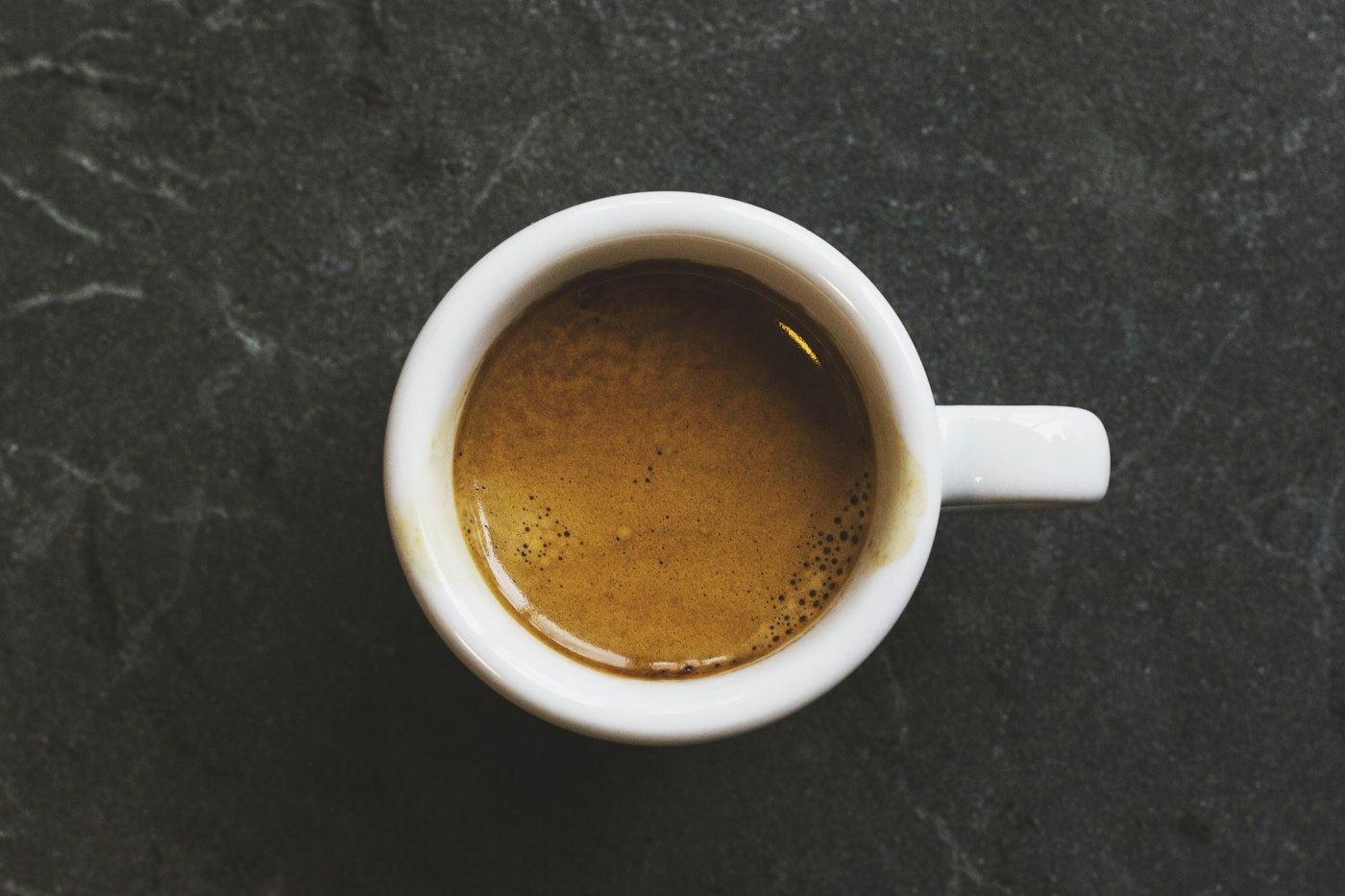
Traditional espresso machines operate at a fixed pump pressure of 9 bar throughout the extraction cycle. This standard was established in the 1940s and 1950s through empirical practice rather than scientific optimisation, and it represents a reasonable default for the medium to dark roast coffees that dominated commercial espresso for most of the twentieth century. For the lighter roasted, higher-density specialty coffees that define contemporary third wave espresso, fixed 9 bar extraction is increasingly recognised as a blunt instrument that produces avoidable channelling, uneven extraction, and unnecessary bitterness from the mechanical disruption of fragile cellular structures in lighter roasted beans.
Variable pressure profiling represents the application of modern electronic pump control and flow restriction technology to the fundamental problem of espresso extraction uniformity. By modulating pump pressure and water flow rate across the extraction timeline rather than delivering a fixed pressure from start to finish, the barista gains direct control over the saturation, cellular breakdown, and dissolution phases of espresso extraction as separate engineerable events. This article documents the physics of each phase and the specific pressure profile parameters that optimise extraction quality for light roast specialty espresso.
1. The Physics of Espresso Channelling
Channelling is the formation of preferential flow paths through the coffee puck, where water finds routes of lower resistance and passes through them repeatedly rather than distributing uniformly across the entire puck cross-section. The consequences are severe: the coffee adjacent to the channel is catastrophically over-extracted, contributing harsh bitterness and astringency, while the coffee in the denser regions of the puck remains under-extracted, contributing sourness and underdeveloped flavour. The final cup is a simultaneous combination of over and under-extraction, a cup that cannot be corrected by adjusting grind size or dose because both failure modes are present at once.
Channelling is caused primarily by puck heterogeneity, the uneven density of the coffee bed created by grind particle size distribution, inconsistent distribution technique, and the mechanical disruption of the puck surface when high-pressure water contacts a dry or incompletely wetted coffee bed. The impact of a 9 bar water stream on a dry puck surface at the beginning of extraction blows craters into the puck, displaces coffee from the basket walls, and creates the density variations that seed channel formation before extraction has properly begun.
Figure 2.1 (Illustrative): Channelling Frequency vs Pre-Infusion Pressure
Illustrative: this curve shows the direction described in the text, not measured channelling rates. Orange Line: lower pre-infusion pressure is widely used to reduce channelling. Low-pressure pre-infusion allows uniform puck saturation before extraction pressure is applied, eliminating the primary cause of channel formation.
2. Pre-Infusion: The Saturation Phase
Pre-infusion is the controlled introduction of water to the coffee puck at low pressure before full extraction pressure is applied. Its primary function is uniform puck saturation: allowing water to infiltrate the coffee bed from above, gradually filling the interstitial spaces between particles, dissolving the carbon dioxide gases trapped in freshly roasted coffee cells, and equalising the density of the puck before the extraction pressure gradient is established.
The optimal pre-infusion pressure for light roast specialty espresso is 1 to 3 bar, applied for 5 to 15 seconds depending on roast level, dose weight, and basket geometry. At 1 to 2 bar, water enters the puck under gravity-assisted capillary action rather than forced hydraulic pressure, producing the gentle and uniform wetting that eliminates the mechanical puck disruption associated with hard starts at full pressure. The duration should be sufficient for water to reach the bottom of the basket and begin pooling, visible as the first drops appearing at the spout, before extraction pressure is ramped up.
2.1 CO2 Degassing and the Bloom Effect
Freshly roasted coffee beans contain significant quantities of dissolved carbon dioxide produced during the Maillard reaction and pyrolysis processes of roasting. This CO2 creates a physical barrier to water infiltration in the first days and weeks post-roast, as outgassing CO2 bubbles occupy interstitial pore space in the coffee bed and physically prevent water contact with the coffee cell walls. Low-pressure pre-infusion provides sufficient time and pressure for the initial CO2 to degas from the puck into the headspace above the basket before extraction begins, an espresso equivalent of the bloom phase in filter coffee brewing.
Practitioner guidance suggests that coffee roasted within the previous 3 to 7 days benefits from extended pre-infusion of 10 to 20 seconds at 1 bar to allow adequate CO2 degassing before the extraction ramp begins. Coffee rested for 2 to 4 weeks post-roast, which has undergone substantial natural outgassing, requires shorter pre-infusion of 5 to 8 seconds. This is one of the reasons that rest time significantly affects espresso extraction behaviour independently of any change in the coffee's chemical composition.

The first drops appearing at the spout during pre-infusion indicate that water has saturated the full depth of the puck and uniform wetting is complete. Extraction pressure ramp should begin at this point.
3. Pressure Ramp and Peak Extraction Phase
Following completed pre-infusion, the transition to extraction pressure should be a controlled ramp rather than an instantaneous step change. A pressure ramp of 2 to 3 seconds from pre-infusion pressure to peak extraction pressure of 6 to 9 bar minimises the hydraulic shock to the saturated puck and allows the flow rate to stabilise before peak extraction conditions are established. On electronically controlled machines such as the Decent Espresso DE1 or the Lelit Bianca, this ramp profile is programmable with sub-second precision.
The choice of peak extraction pressure for light roast specialty espresso is itself a contested variable. The traditional 9 bar standard was optimised for medium to dark roasts with softened cellular structures that require significant hydraulic pressure to break down and release soluble compounds. Light roast coffee, with its denser cellular matrix and higher initial resistance to water infiltration, responds differently to peak pressure. Many light roast practitioners use peak pressures of 6 to 7 bar, reasoning that a lower peak reduces puck disturbance, though this is practitioner practice rather than settled research, with the lower peak pressure reducing the tendency for puck compression that creates resistance heterogeneity and channelling at the periphery of the basket.
Figure 2.2 (Illustrative): Pressure Profile Comparison Across Extraction Timeline
Illustrative example of a pre-infusion, ramp, peak and decline profile, not a recorded shot. Orange Line: a light roast style profile with low pre-infusion, a ramp, a peak and a decline. Dashed Line: Traditional 9 bar fixed pump pressure from extraction start.
4. Declining Pressure and the Extraction Tail
One of the most significant innovations in contemporary espresso pressure profiling is the deliberate implementation of a declining pressure curve through the second half of the extraction. As the extraction progresses, the most soluble and desirable compounds are extracted first, leaving increasingly resistant and less desirable compounds in the coffee matrix. Maintaining full extraction pressure through the final third of the shot continues to dissolve these less desirable, higher-molecular-weight bitter compounds at the same rate as the more desirable ones.
A declining pressure curve, reducing from peak extraction pressure to 4 to 5 bar over the final 10 to 15 seconds of extraction, reduces the hydraulic force driving dissolution of these late-stage compounds while maintaining sufficient pressure to sustain flow rate and total yield. The practical effect is a final cup with the same total extraction yield as a fixed pressure shot but with proportionally more of the desirable early-extracted compounds and proportionally less of the late-extracted bitter compounds. Many baristas report that declining pressure produces cleaner, brighter cups, though this has not been tested rigorously in published studies.
5. Flow Rate Control vs Pressure Control
The most recent development in espresso extraction engineering is the shift from pressure control to direct flow rate control as the primary extraction variable. Rather than setting a pressure profile and allowing flow rate to vary in response to changing puck resistance, flow-controlled machines set a target volumetric flow rate in millilitres per second and vary the pump pressure continuously to maintain that flow rate as the puck resistance changes through the extraction.
The advantage of flow rate control is that it directly regulates the speed of water contact with coffee particles, which is more directly related to extraction rate than pressure alone. As the puck resistance increases through extraction due to particle swelling and fines migration, a pressure-controlled machine maintains constant pressure but experiences a declining flow rate and therefore a declining extraction rate. A flow-controlled machine increases pressure to maintain the target flow rate, keeping extraction rate constant throughout the shot. Machines implementing this approach include the Decent DE1 in flow profile mode and the Cremina lever machine, which achieves natural flow control through the declining pressure curve of its lever spring mechanism.
The convergence of electronic pump control, precision pressure transducers, and real-time flow measurement has transformed espresso extraction from a fixed-parameter process to a fully engineerable one. The barista who understands the physics of each extraction phase can now design and implement pressure and flow profiles that express the specific character of each coffee with a precision that was simply not achievable with the fixed-pump machines that defined commercial espresso for the previous sixty years.